

Overview
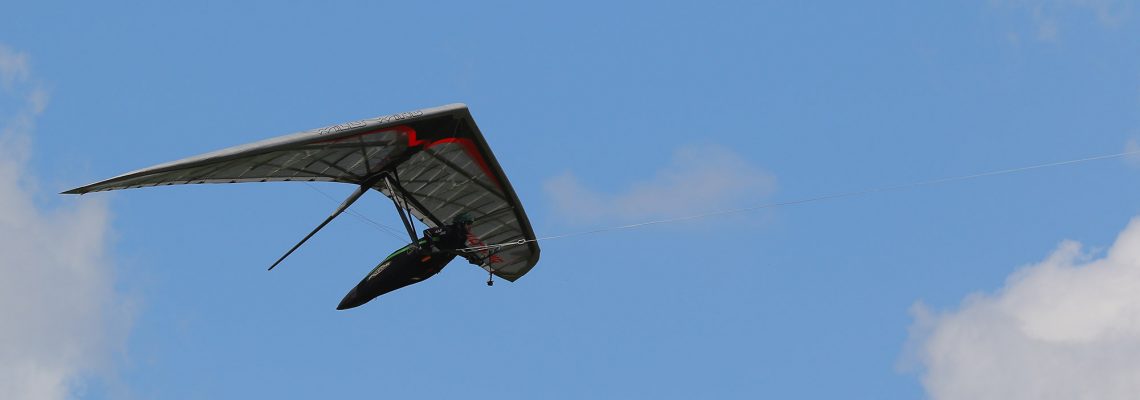
The Wills Wing T3
On Friday June 19, 2020 Owen Morse set a new World Record for an out-and-return flight of 222.22 miles flying the Wills Wing T3 154! You can read more about his incredible flight on our blog.
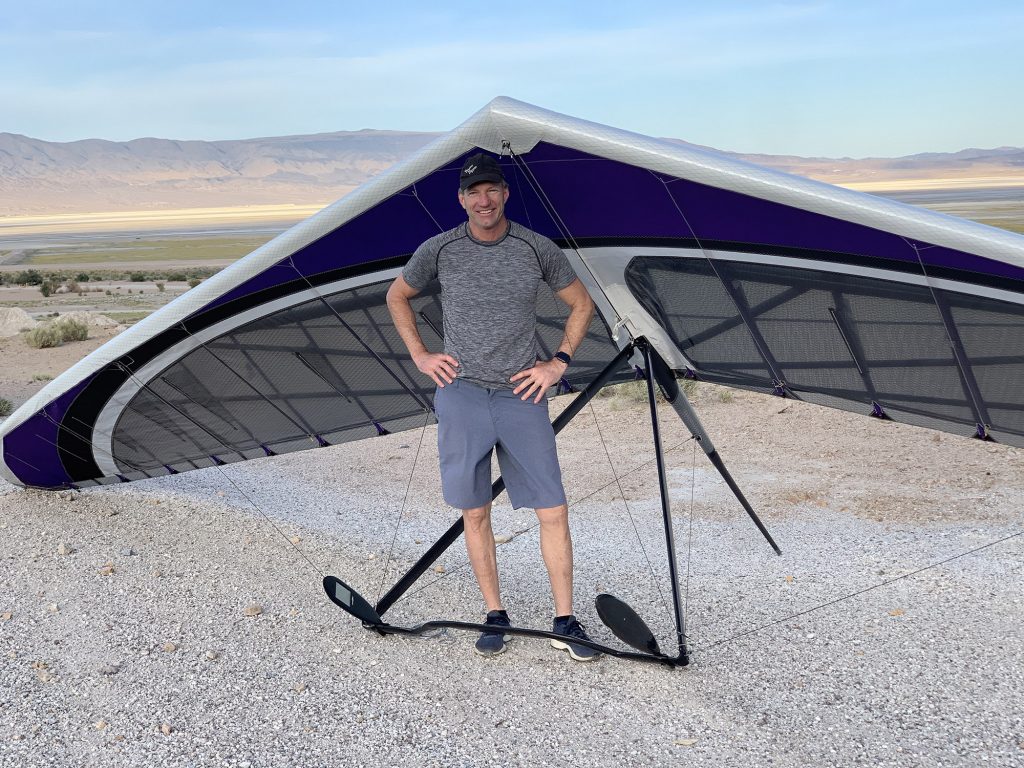
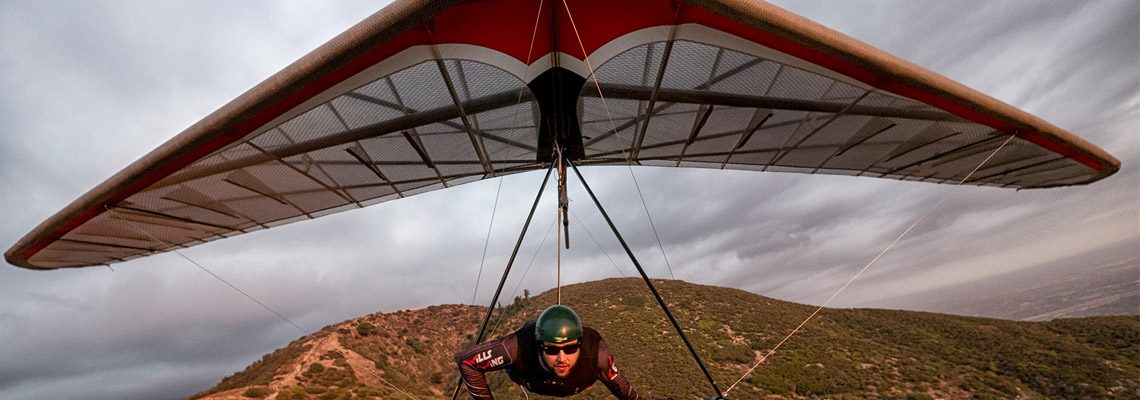
A Breakthrough In Competition Class Handling and Performance
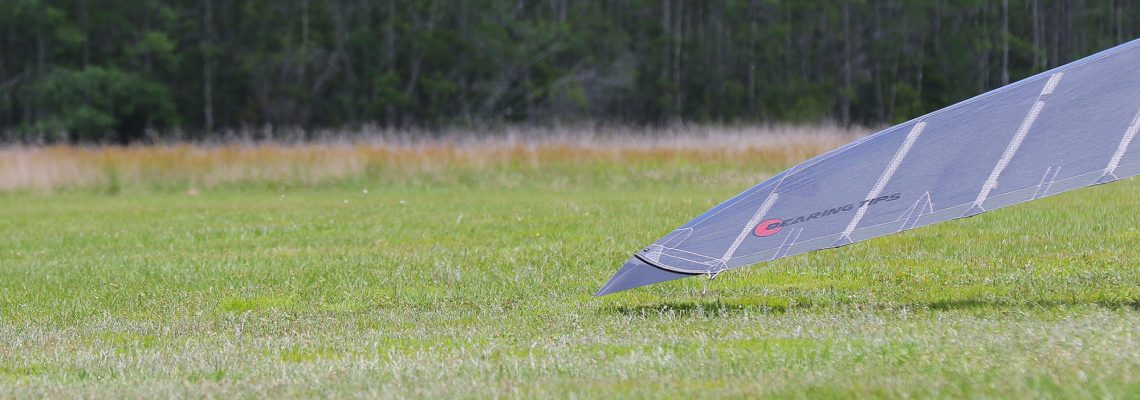
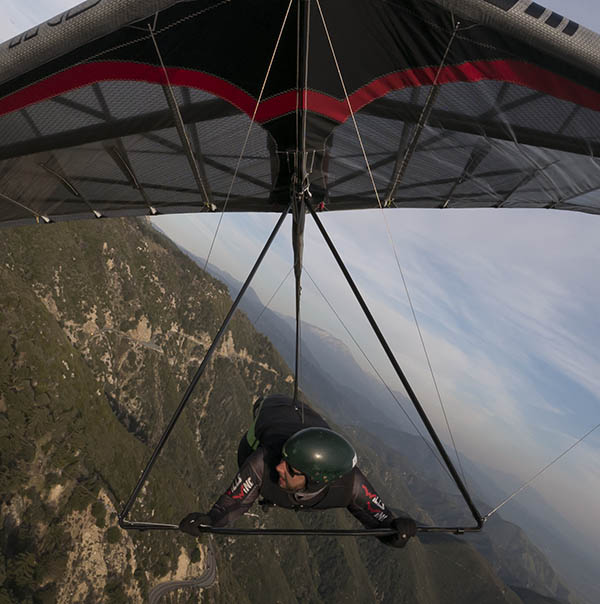
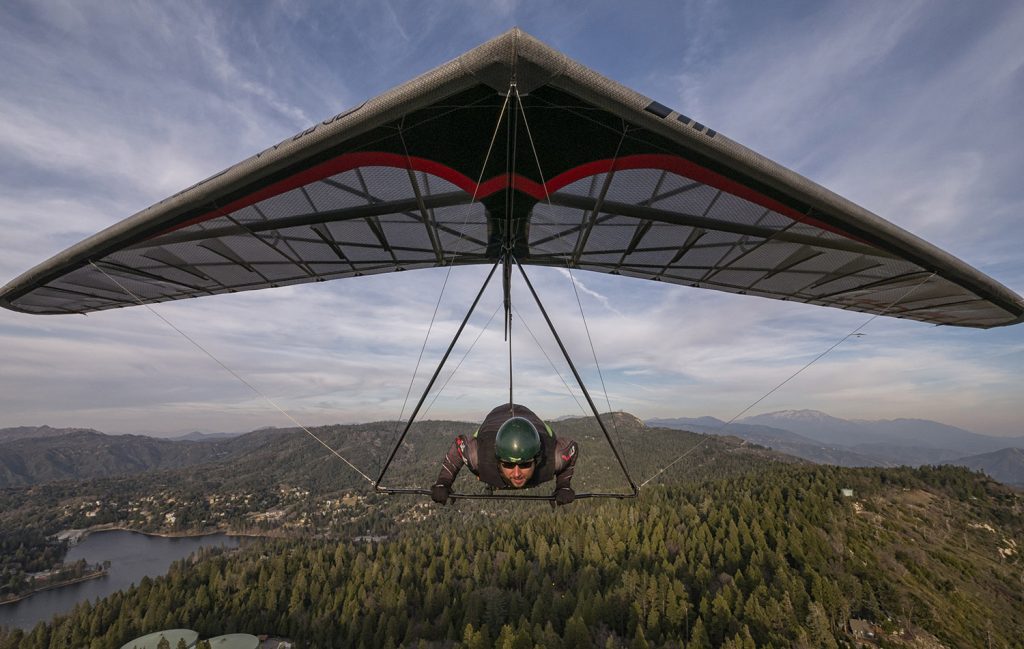
The outstanding design feature on the T3 is a new system of bearings in the wingtips that provides an extraordinary improvement in handling and control authority. With the bearing tips, control response at VG full tight is comparable to a conventional airframe T2C at VG 50%. The result is a dramatic increase in effective performance.

The majority of time in competition or serious cross country flying is spent either in climb or racing to the next thermal at speeds well above best glide speed. Climb performance depends on the ability to maintain precise and consistent control at low speeds. In the past this has meant settling for a looser than optimum VG setting, but with the T3’s bearing tips, you can climb effectively with significantly more VG. Between thermals, where tighter VG settings are critical to obtain the best glide performance at speeds 50% higher than best glide speed, precise and reliable control is critical to avoiding performance destroying excursions in yaw or roll caused by convective turbulence. The reduced pilot workload from the enhanced handling response is also important in maintaining optimum pilot performance over long tasks.
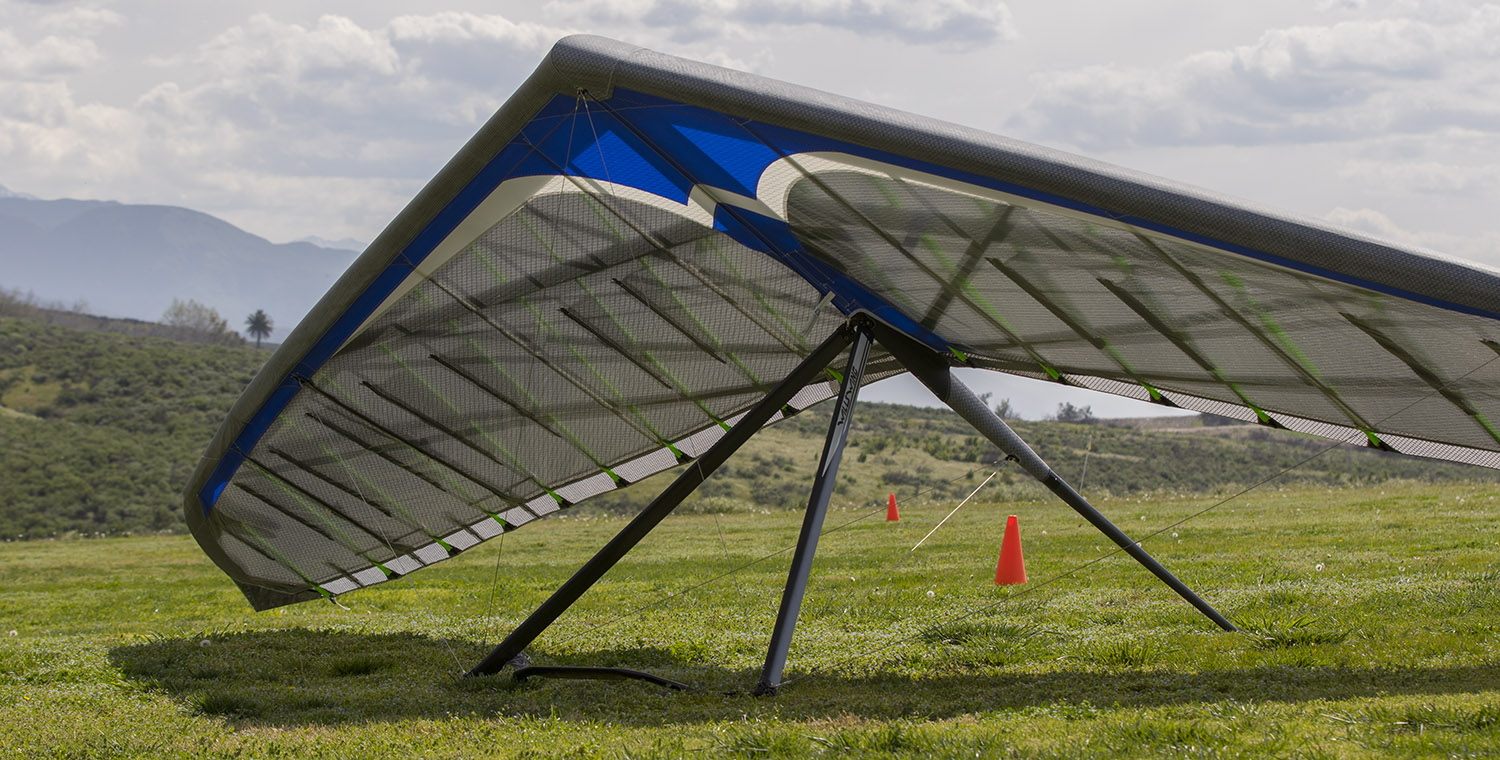
The first two T3s were introduced at the 2019 Governador Valadares meet in Brazil by Filippo Oppici and Alvaro Figueiredo Sandoli (Nene). Filippo took the podium in first place and Nene was close behind in third against a strong international field. A few weeks later, more T3s debuted at the first week of the 2019 US Nationals in Florida. Although we missed the top podium position, T3s took 2nd through 5th, including 3 of 4 day wins, 7 of the top 10 places, and the only 2 gliders in goal on the the longest 247 km task. In the second week of the US Nationals, T3 pilots finished 1st, 2nd and 3rd, so altogether 7 of 9 possible podium positions in the first 3 meets after the first 2 T3s were released.
New Features
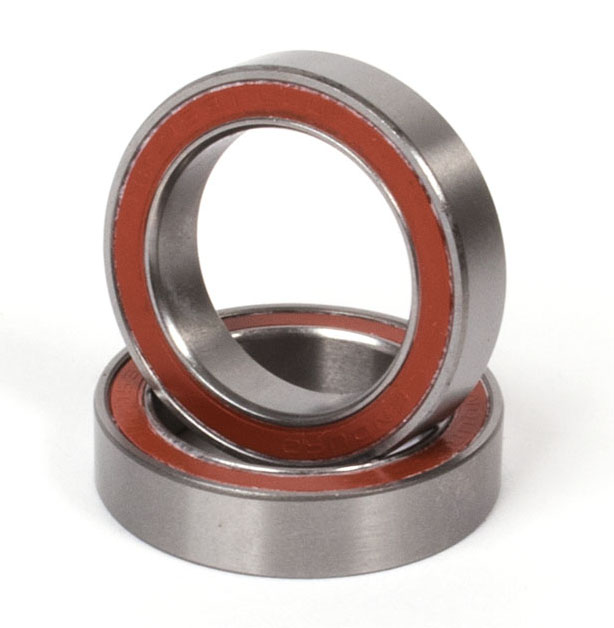
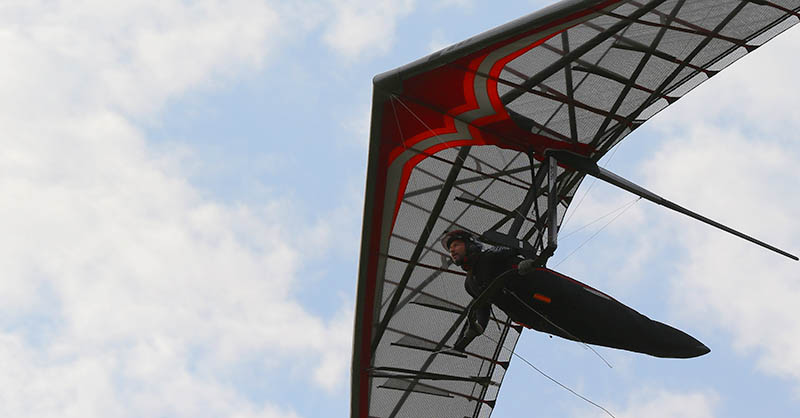
All T3s feature a system of bearings integrated into the tip wand receptacles. This configuration provides a significant improvement in handling and control authority that is especially and increasingly evident as more VG is applied. At any VG setting, you don’t have to plan as far ahead to initiate a turn which allows you to work small scraps of lift more effectively. This extra control pays dividends whenever absolute authority and precision is a priority like landing in turbulent conditions.
The wand receptacle assembly is also extraordinarily effective for fine-tuning lateral and longitudinal trim characteristics so it’s quick and easy to correct a turn, adjust roll stability or change VG-related transient trim speeds.
Climb performance is unquestionably improved compared to the T2C. The ability to fly slower, with more precise control and more VG activated consistently produces superior climb rates. With full VG on glide, you are unlikely to get overpowered by rough air. The extra flexibility in the outboard wing helps performance throughout the speed range because the sail adapts more effectively to the lift distribution throughout the wide angle of attack range from stall to Vd and because you can control the glider precisely without inducing unwanted yaw excursions.
Redesigned and Refined Sail
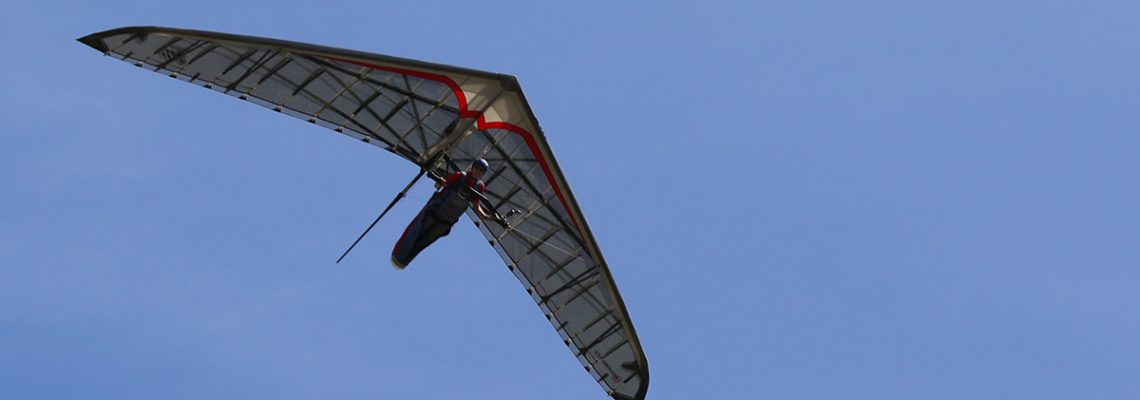
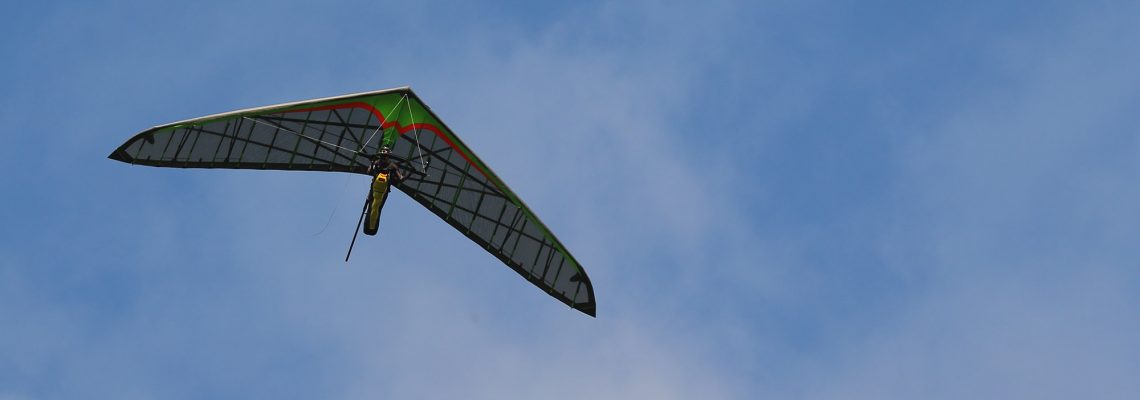
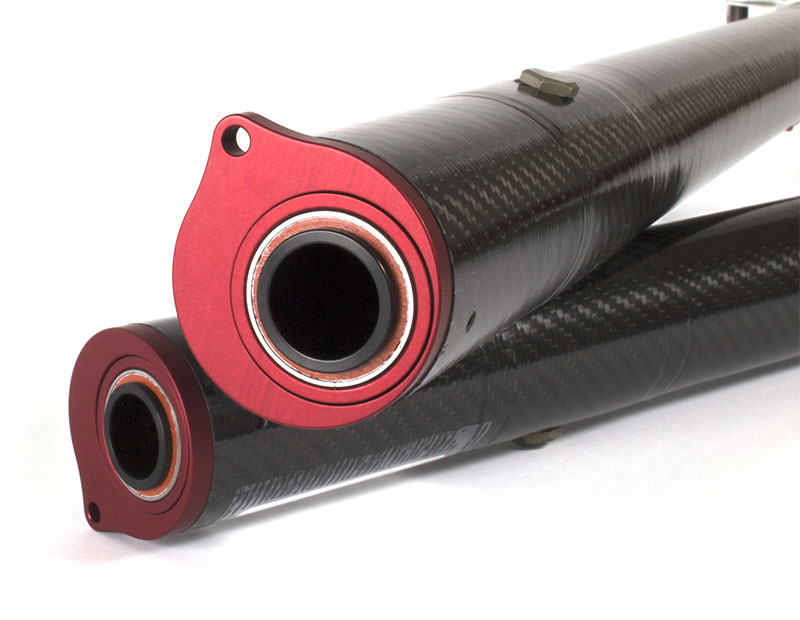
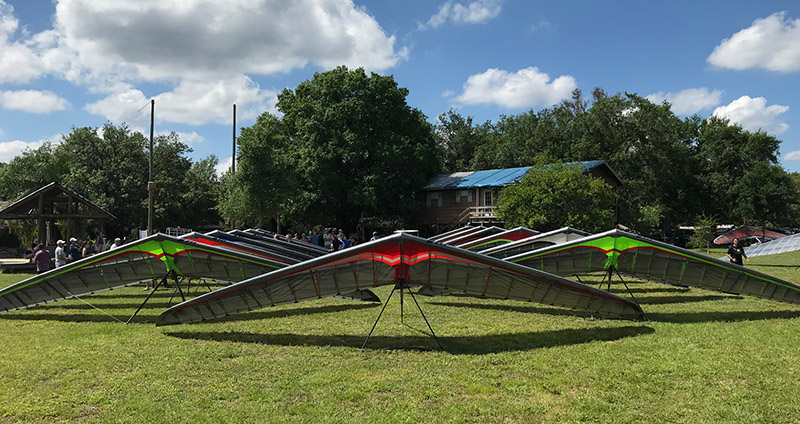
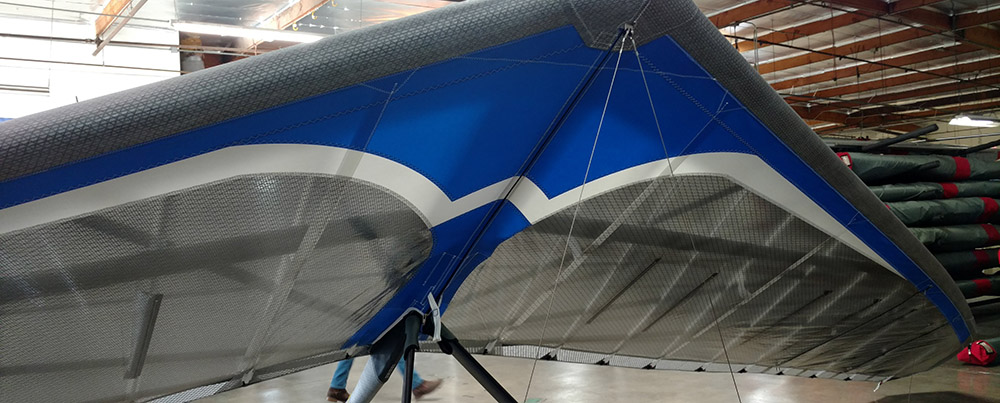
The sail has been through refinements to the fit and finish, to the planform shape, and with a new panel layout and bottom surface color pattern. You can choose bottom surface colors for 4 graphic elements—perimeter forward of the W, the W, the central area behind the W and the large panel which is also available in UVP2LX clear-black laminate. All T3s include UV-film laminate top surface. T3 Race and Team editions include Technora laminates on the top surface to prevent any stretch or deformation at the tightest VG settings. The laminate ‘window’ bottom surface option is also included with Race and Team editions. Check out your options with the T3 color-picker.
Carbon Fiber Raked Tips
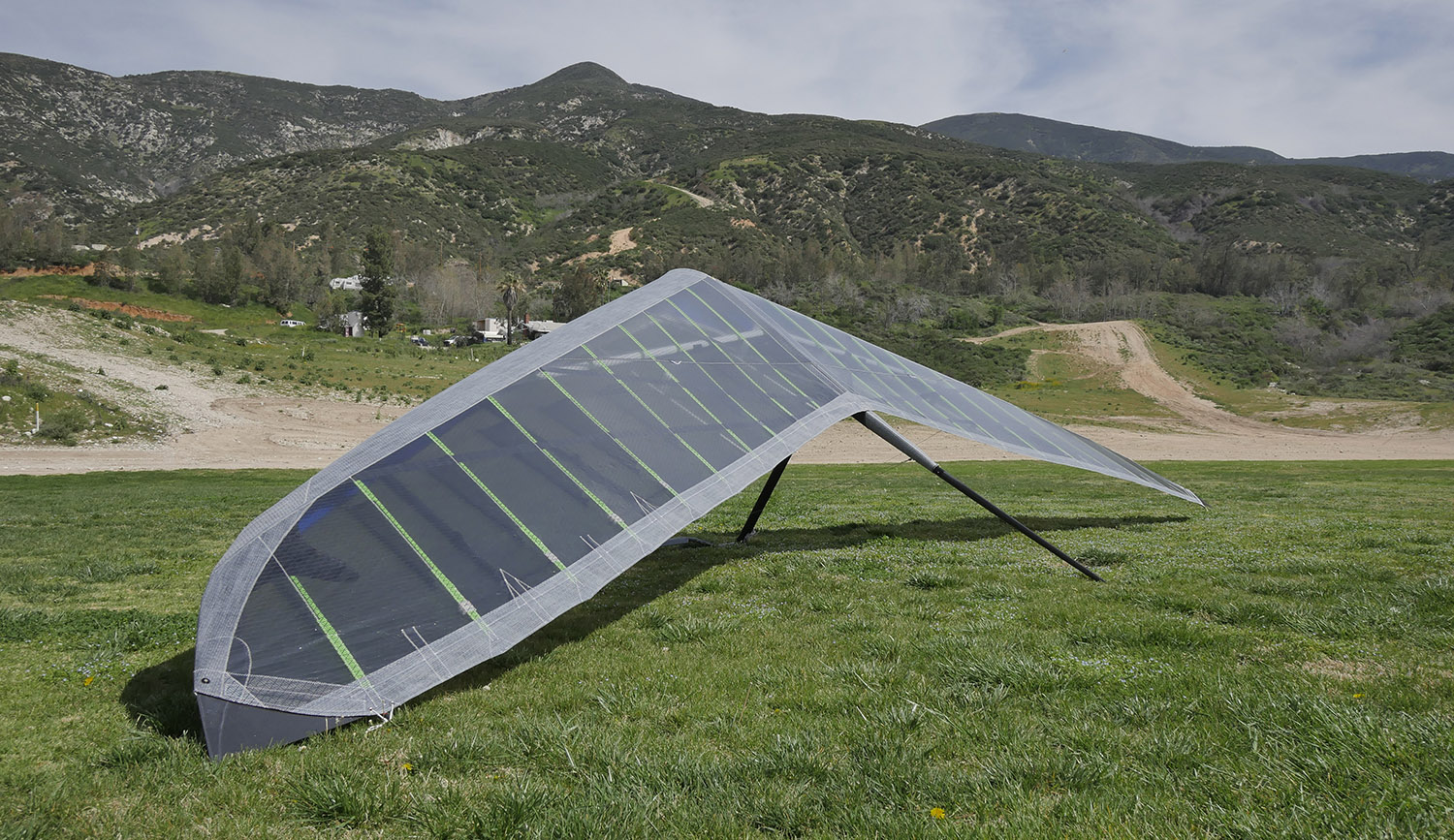
All T3s are configured with raked tips. Raked tips improve performance at low speeds by effectively increasing span and reducing induced drag. They also improve stall behavior and control authority at high angles of attack, especially while thermalling, by mitigating stall propagation over the wingtips.
ACLER – Advanced Composite Leading Edge Reinforcement
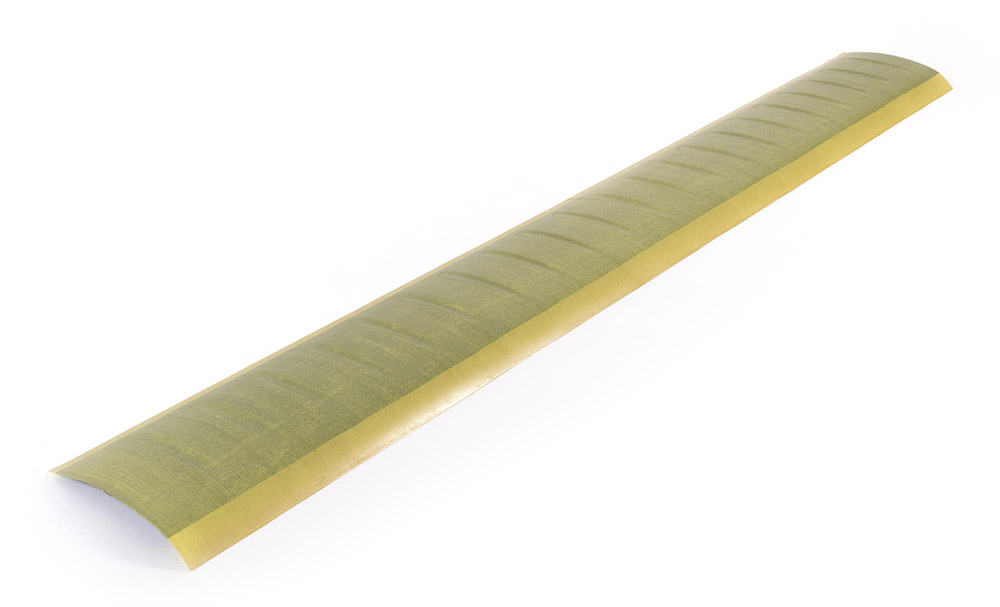
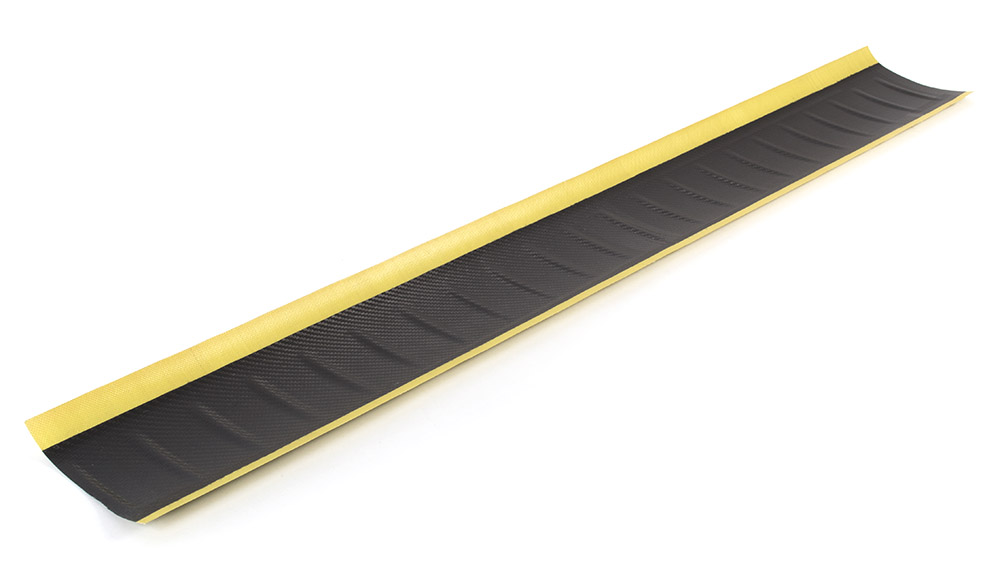
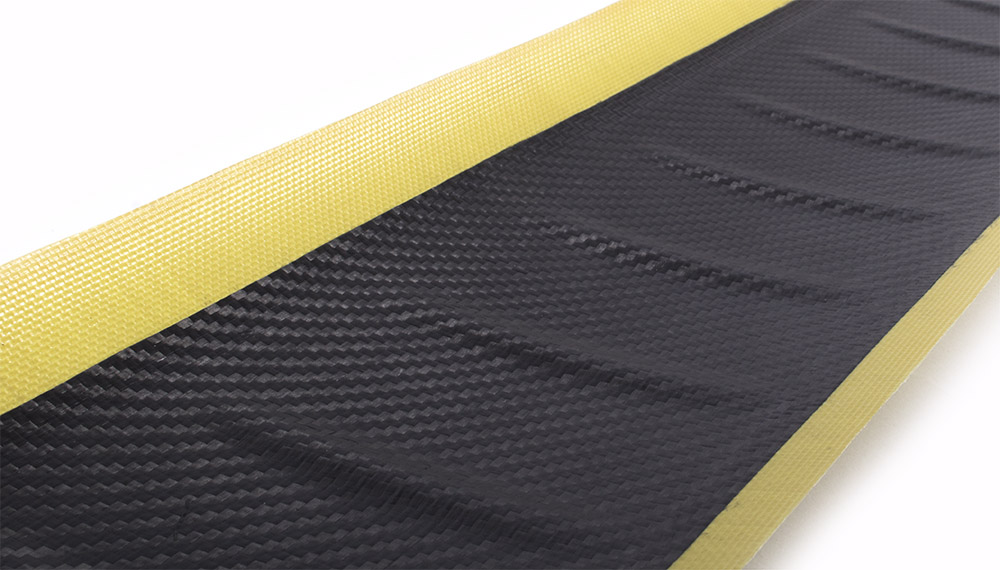
The new composite leading edge inserts are made from high-temp Kevlar and carbon fiber pre-preg and are produced at Wills Wing in high-pressure closed aluminum molds. They precisely fit the leading edge airfoil curvature and have additional geometric features to make them stiffer than simple carbon sheets. Compared to conventional inserts, these inserts are longer, lighter, don’t compromise the handling and support the leading edge panel far more effectively at higher speeds. ACLER inserts are standard on the Team Edition and optional on other trim levels.
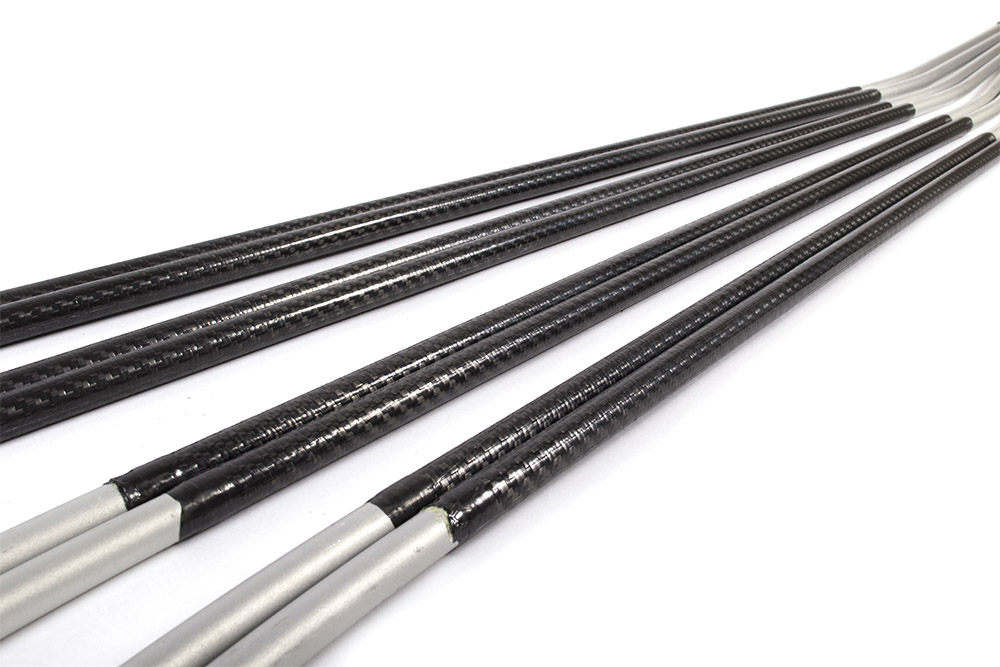
Carbon Fiber Over-molded Battens
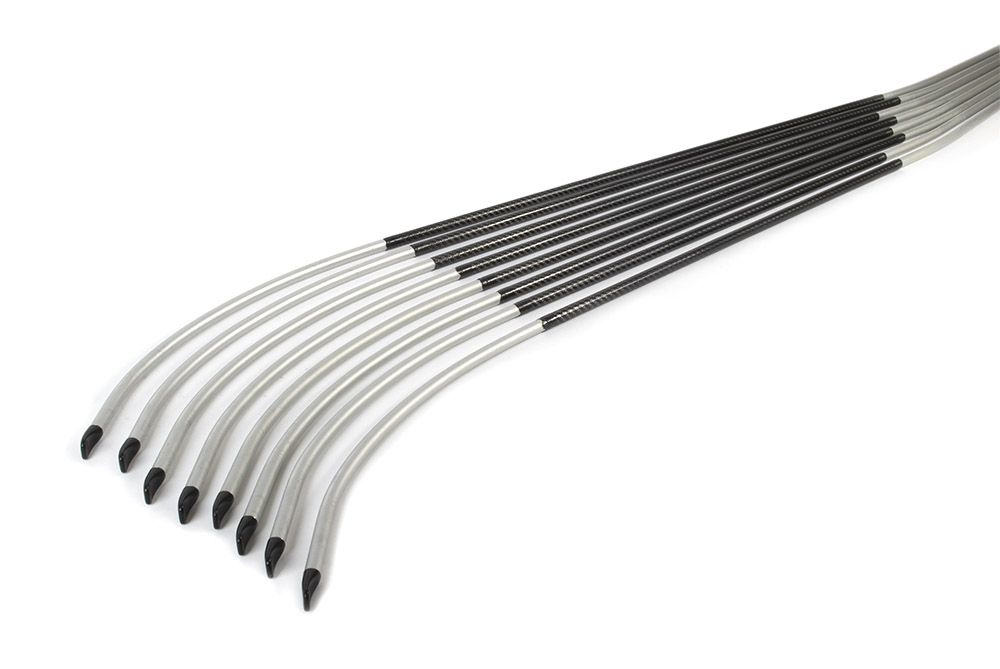
Our carbon fiber over-molded battens are produced in-house and are available for the longest 4 battens which are most subject to destabilizing and performance-robbing deformation in high-speed glides. The unidirectional and woven carbon fiber adds only 15 – 18 grams of weight per batten but increases the strength and stiffness by a factor of 3. Carbon reinforced battens are standard on the Team Edition and optional on lower trim levels.
Options
The T3 is Available in Three Configurations
| Options | T3 | T3 Race | T3 Team |
|---|---|---|---|
| *New* Bearing Tips | |||
| Customer choice of colors | |||
| Speed Battens | |||
| Black Anodized Airframe and Hardware | |||
| Carbon Fiber Basetube | |||
| Carbon Fiber Raked Tips | |||
| Carbon Fiber Rear Leading Edges and Sprogs | |||
| UV-Film Laminate Top Surface | |||
| UV-Film Laminate Technora Top Surface | |||
| Laminate Bottom Surface | |||
| Carbon Fiber Kickstand Stinger | |||
| Keel Fairing | |||
| 74 IN Carbon-Kevlar Leading Edge Reinforcements | |||
| Colored Batten pockets | |||
| Carbon Fiber Front Leading Edge | |||
| 12 Foot ACLER Carbon Fiber Leading Edge Reinforcements | |||
| Carbon Fiber Reinforced Battens (#9-12) |
Individual Upgrade Options
| Description | Part No |
|---|---|
| Carbon Keel Stinger Upgrade T3 | 01A-B30 |
| Fairing – Rear Wire Junction T3 | 50F-1010 |
| Carbon Front Leading Edge Upgrade T3 | 01A-B31 |
| 74 IN Carbon/Kevlar Leading Edge Insert | 01A-B12 |
| Upgrade 74 IN Carbon/Kevlar to 12 ft ACLER Molded Insert | 01A-B122 |
| 12 Foot ACLER Molded Carbon Fiber Leading Edge Insert | 01A-B122 |
| Upgrade to Carbon Fiber Reinforced Battens (#9-12) | 01A-B33 |
| Colored Batten Pockets | 01A-A84 |
| Leading Edge Wills Wing Logo Vinyl | 70H-1014 |
| Carbon Fiber Downtubes | 01A-B301 |
Specifications
| Specification | T3 136 | T3 144 | T3 154 |
|---|---|---|---|
| Area (m^2) | 12.6 | 13.4 | 14.3 |
| Span (m) | 9.8 | 10.0 | 10.4 |
| Aspect Ratio | 7.6 | 7.6 | 7.6 |
| Glider Weight (kg) | 31.4 | 32.2 | 33.1 |
| Hook-In Weight (kg) | 68-95 | 73-107 | 84-129 |
| Optimum Body Weight (kg) | 59-68 | 68-82 | 82-91 |
| Nose Angle (deg) | 127-132 | ||
| Double Surface (%) | 92 | ||
| USHPA Rating | 4 | ||
| Vne (kph) | 85 | ||
| Va (kph) | 74 | ||
| Vms (kph) | 34 | ||
| Vd (kph) | 113 | ||
| Length (in bag) (m) | 4.9 | 5.0 | 5.2 |
| Break-down (m) | 3.7 | 3.9 | 4.1 |
| HGMA Certified | 3/2/2020 | ||
| See www.HGMA.net for complete up to date certification information | |||
| Specification | T3 136 | T3 144 | T3 154 |
|---|---|---|---|
| Area (ft^2) | 136 | 144 | 154 |
| Span (ft) | 32.1 | 33 | 34.2 |
| Aspect Ratio | 7.6 | 7.6 | 7.6 |
| Glider Weight (lbs) | 69 | 71 | 73 |
| Hook-In Weight (lbs) | 150-210 | 160-235 | 185-285 |
| Optimum Body Weight (lbs) | 130-150 | 150-180 | 180-200 |
| Nose Angle (deg) | 127-132 | ||
| Double Surface (%) | 92 | ||
| USHPA Rating | 4 | ||
| Vne (mph) | 53 | ||
| Va (mph) | 46 | ||
| Vms (mph) | 21 | ||
| Vd (mph) | 70 | ||
| Length (in bag) (in) | 191 | 196 | 204 |
| Break-down (in) | 147 | 152 | 161 |
| HGMA Certified | 3/2/2020 | ||
| See www.HGMA.net for complete up to date certification information | |||
Comments
The T3 is the best glider that I have flown in 32 years. Most coordinated, balanced and nicest handling glider I have ever had, in both light and strong thermal conditions. Fun and performance at the top like I’ve never experienced before.
I completed my 20th flight on my T3 yesterday and I have to say that without a doubt this is the best flying glider I have had in my 45 years of flying. Thanks for making this wonderful wing!!
Now that I have a day off from the competition, here is my full assessment. I received my TIII 144 in February 2019. I transitioned from my 2017 T2C 144 and can say that the handling is much sweeter on the III. I find myself entering thermals and not dumping the VG as the glider is rock solid in the initial turn. It climbs really well with the new carbon extended tips and leading edge cup bearings. I feel that I have much better control in the inter-thermal glides and am much better able to take advantage of the lift lines to get an improved glide. I now have over 90 hours on the glider and over 1650 miles. This is without a doubt the best hang glider I have ever owned. I am looking forward to take it to Texas on my big journey to Canada in two months. Super job Wills Wing!!
Over the last 2 weekeends I’ve put another 10 hours on my T3, and I have to say that this glider is an absolute pleasure to fly!
Over the years, I’ve had many T2Cs and each time I was always impressed by the incremental improvements. The T3 however, is a big step forward!
Everyone wants performance; and this wing will not disappoint. A T3 glides with the best, but truly shines when you pull on the speed, and the new carbon reinforced battens hold their shape, allowing you to leave everone in your wake! As for climb, this year in Florida showed me I am doing better against my competitors. Is it the sinkrate? It must be better, but the real difference is the handling. The Bearing Tips are an innovation that took a lot of time to perfect, and the wait was worth it! For me, it took some adjusting to, because the roll rate is so much faster and more responsive. This translates to being able to turn into thermals easier and stay locked into the core for better climb rates. The ease of handling means less fatigue and a general sense of joy.
Thanks to Steven Pearson, Mike Meier and the Wills Wing family for producing an awesome glider that all advanced pilots will love to fly, and supporting me with the tool I need to beat the World’s best!
You need to fly one to see for yourself, so go get a demo flight, or just order yours now!
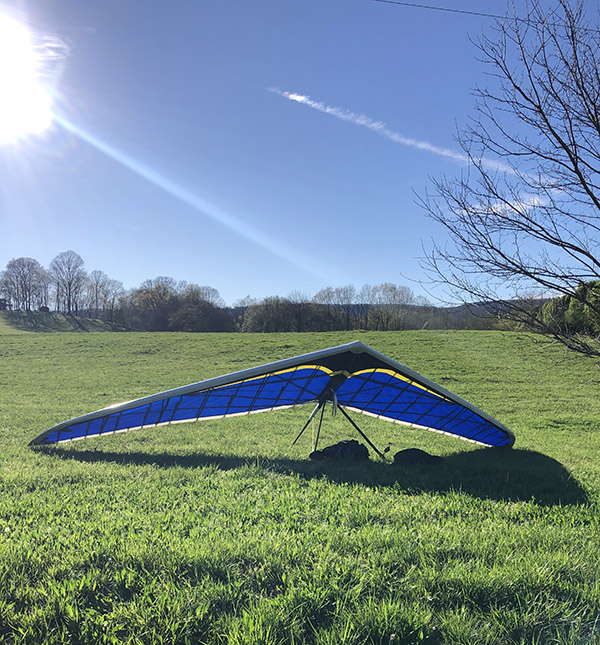
After 18 flights and 32+ hours on my new T3, I just wanted you guys to know that you have a very happy customer! I am not a competition pilot in the truest sense, but rather competitive with myself, and the T3 has allowed me to branch out easier and further than imagined. The handling, glide, and overall performance continues to amaze me, and I have not even touched the tip of the iceberg in what the glider can accomplish.
Besides the tremendous glide of the T3, two major things stand out in my mind. In rough patches of air and turbulent lift, the T3 seems to dampen the effect, effectively slicing though rough patches and providing a more solid feel. Definitely a confidence builder. Second, the climb has been phenomenal. I can slow the glider down and have less bank in a turn, which decreases a potential need to high-side. I have had several 3 hours flights so far and have yet to be tired.
The only compliant I would register is what I call the “fun factor”, but in a positive way! The T3 is the most enjoyable hang glider I have ever owned, and the excitement and experience it provides will keep this pilot motivated and engaged for years to come.
I’m LOVING my T3 136!!!!
One of the things that I am enjoying and am grateful for the most, is the possibilities I feel I have with this glider and the inspiration it is giving me. I know/feel that with this glider I will be able to learn a LOT more and improve my flying, become a better pilot and the thought of this is fantastic!!!
I have been flying with Davis, Larry Bunner, Greg Dinauer, John Simon and Pedro….can you believe this!?!?!? Of course, I eventually lose them and end up finishing my flight by myself and doing my best (hahaha), but it is an amazing feeling!!! I feel privileged and just wanted to thank you AGAIN for making this glider. I know very well it was not easy but for what it’s worth, you’ve made one tiny pilot immensely happy!!!!!
Sometimes, in the middle of a thermal, I think about what you’ve done and I thank you in the air…then I smile and thermal on!!!!!
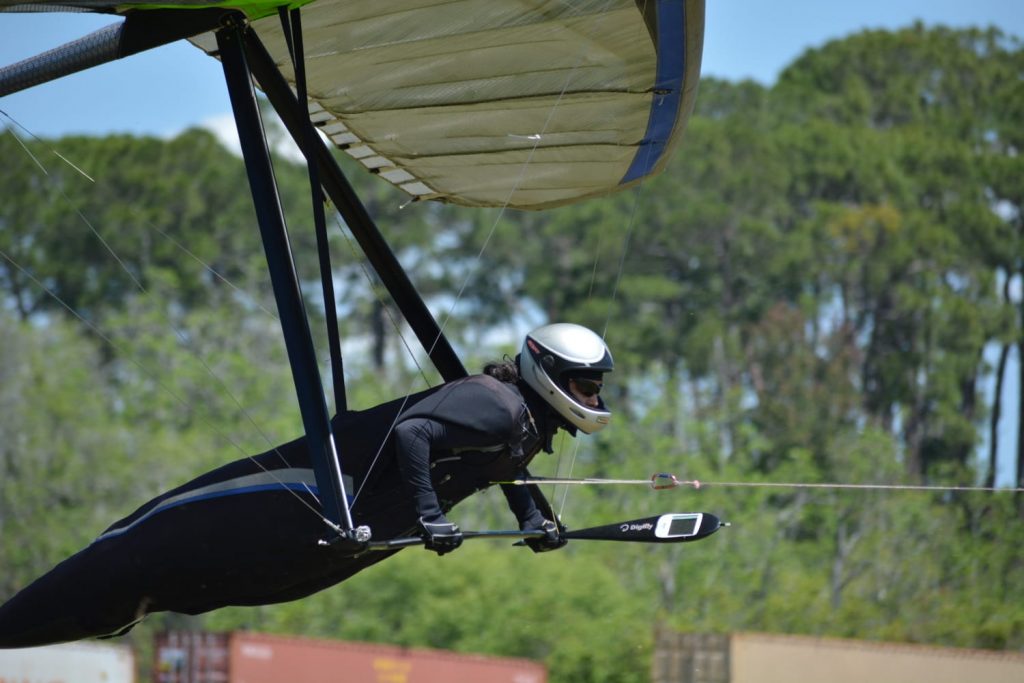
The T3 is hands down the best handling high performance glider I have ever flown. The bearing tips are just amazing—in tight little thermals I can just put it on a tip and bank it up. In big fat thermals, I pull half to full VG. In fact, sometimes I forget to let the VG off and don’t realize until I leave the climb and reach to pull VG for glide.
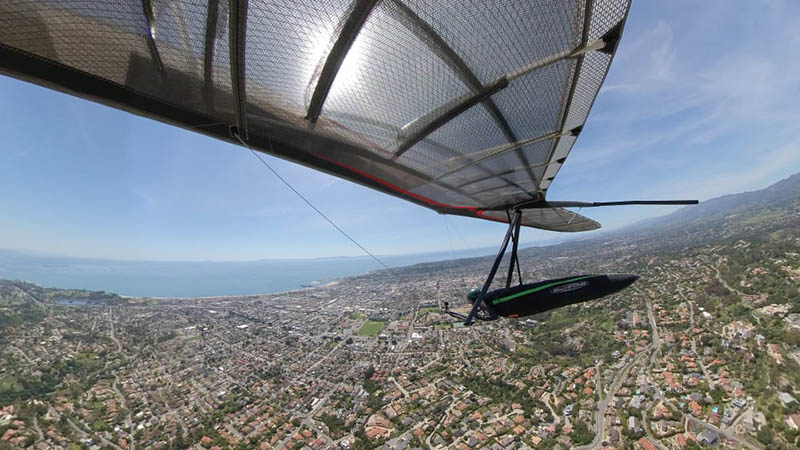
The handling shines not only in low speed and thermalling but also with my low-to-the-ground high-speed flying. I’m always 100% in control and can make precise corrections with very little effort.
The new extended carbon inserts also make a difference in high speed performance by supporting the leading edge shape more effectively.
All in all, this is my favorite glider ever. Go test fly one and you’ll be impressed.
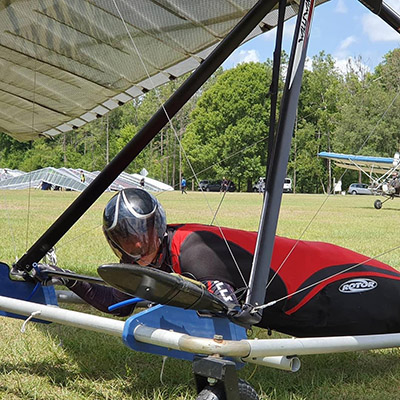
The T3 is an amazing glider! It has really good handling, with the new bearings it has a quicker response in roll, the pitch pressure is less once you pull the V.G. and I can get a higher speed for final glide if I am racing to goal. Steve Pearson went through every small details to make this glider fly better and it shows at the competitions.
My general impression is: Faster final top speed, also lower minimum sink speed, so I could climb faster in the thermals, better handling, beautiful looking design.
It is easy for landing, and has a large window for the flare.
This is the easiest handling topless glider I have ever flown. No more bumping to initiate a turn, just shift your weight. This makes for a more pleasant and relaxing flight even for four or five hours and more.
The bar pressure is minimal at full or over drive VG setting (which is easy to pull on) and I can go much faster than on my T2C with little effort.
The glider appears to absorb the turbulence in the air without sending the shocks to the pilot. I feel confident that the glider can handle any air condition without undue effort on my part. It would seem to combine stability with ease of handling During the 2019 Nationals I have had the opportunity to glide with numerous other pilots flying wings from Moyes, Aero and Icaro. All the glides appeared to be the same. We all love the gliders we fly. I just love this one quite a bit more than the last one.
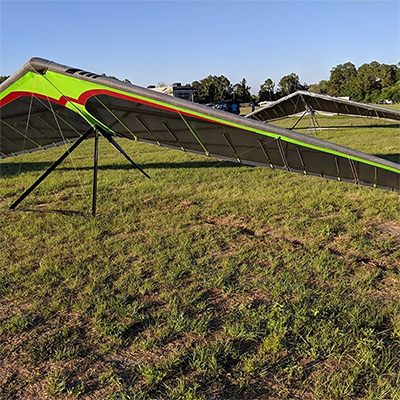
Only 1 week on a T3 and I had two of my best low saves ever, one from double tree line, and one from a few hundred feet at 9:30 in the morning! The extra usable VG range gives me more options milking those challenging conditions
To me it is the best high-performance glider that Wills Wing has made so far!
When you fly it, you can very clearly feel the improved handling it has. It is so much better that I find myself steering the glider at all speeds and VG settings with my elbows tucked in.
The climb rate in thermals is also better; it is very easy to climb fast on this glider and often you’ll find yourself on the top of the gaggle. Moreover, sink speed is quite low and it flies very stable, I mean it doesn’t drop the wings, so at higher speeds and more VG setting, you can fly out further than with other wings and take better advantage of the thermals.
Also, and this is maybe my favorite characteristic so far, this wing transmits much more information about the surrounding air, which allows you to locate or re-center a thermal fast and, most importantly, without overpowering the pilot! I mean the handling is so good that you can ease the grip and let your glider fly so you can get a feel about the air around you having control at all times, the glider (the air around the glider) won’t take the control away. And I find this to be very exciting!
By the way, T3 Rules! Its a really beautiful accomplishment. I´m landing on small places as if I was on a U2 or almost a Sport 3… Roll control even for light pilots is still possible even when slowing down on ground effect and turbulent landings are less stressed… Ridge lift is again possible in really close proximity to the terrain, and small coring on difficult thermals close terrain is a gain. Feeling in more control gives you extra confidence on the handling so your decision process is straight forward. Less worries, more flying when your brain is not fighting or overthinking every course correction.
I have an entry on my personal blog for spanish speakers
The T3 is a dream to fly and I love it. Thanks for making a amazing wing, I’ve never had better comp results. I’ve put the tips up 1/4 turn to help coring strong alps thermals. Also, I landed fine with full VG after racing to goal and not noticing it was still on when maneuvering to land.
Flying in large gaggles has always felt a bit intimidating to me. The new T3 has such great roll control (at every VG setting) that I now have a greater level of comfort while climbing in crowded gaggles. Handling is so light and predictable (even at slow speeds) that staying right where I want to be in the gaggle is effortless.
Even if you are not a competition pilot, you will appreciate the handling, performance, and landing characteristics of the T3 at your home flying site. The T3 is a competition class wing with the easy flying characteristics of an intermediate class wing… I am still smiling!
So the Tlll is in her new home and all built up ready for some days off
work n British flying which is pretty similar to FL flying on the good
days. Trust me on that one??
I have to say the attention to detail on this year’s glider is
impressive. It really is the little things like matching the ends of the
base bar in black, the sail retaining, the lovely anodised leading edge
ends. I know this doesn’t make it fly any better but having this detail
means the bigger things will be right.
Of course the biggest change is the bearing clad tip wand receptivity
device which really really does make a difference. You certainly use the
vg less.
I feel re energised with this glider as it really inspires confidence especially in the textured stuff.
The difference between the carbon downtubes and alloy is just over 1/2 a
kilo! The carbon been the lightest. It’s bling I know but nice bling.
Now where is me polishing kit?
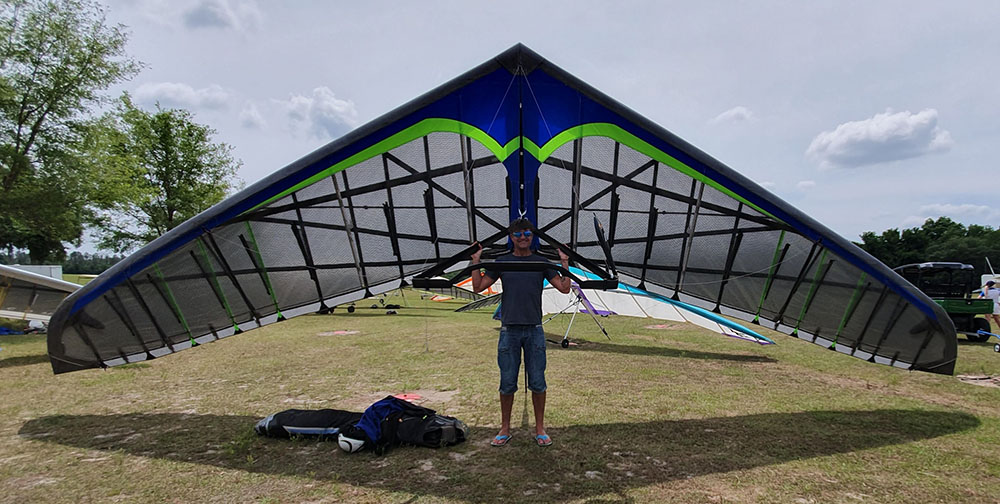
I’m very surprised that the T3 has evolved so much when it seemed that competition gliders had already reached maximum performance. With the new bearing tips, the glider handling is both smoother and faster in roll which makes it easier to center thermals and climb faster. The new leading edge design and carbon insert provide a superior glide at low and medium speeds, coupled with light but positive bar pressure in pitch that is more solid and with better glide at faster speeds. There is also a noticeable improvement in stall speed that makes landing even easier. I am very happy to have a glider as safe and competitive as the T3!
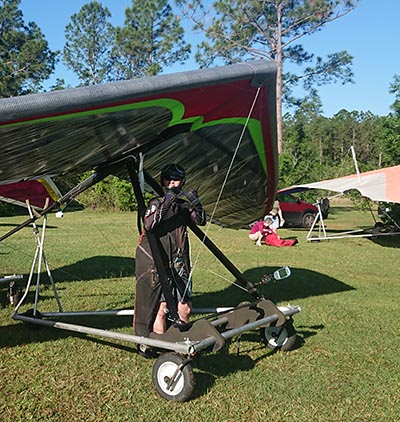
I remember the day I rode on the T3 for the first time was very moved.
T3 is lighter in control than before, and has a very quick turn response.
The easy control of the T3 and the quick roll response give me some room when flying, which gives me a broader view of flying. It allowed me to better understand the circumstances around and fly faster.
I think I could fly with the world’s great top pilots at 2019 Quest Air Nationals week 1 & 2 and I was able to fly the best in my competition. I will continue to improve the hanggliding skill along with T3. Thank you Wills Wing!